The phenomenon known as the Backrooms has captivated internet enthusiasts and horror fans alike, spawning a unique subculture that blends urban legend with digital storytelling. Central to this growing community is the array of merchandise inspired by the eerie concept of endless, liminal spaces filled with yellow-tinted walls and buzzing fluorescent lights. Unlocking the mystery behind Backrooms merchandise reveals not only a clever marketing strategy but also an extension of the immersive experience fans crave.
Backrooms originated as a creepypasta-an online horror story-describing an unsettling alternate dimension where individuals become trapped in monotonous office-like rooms. The narrative’s appeal lies in its simplicity and relatability: everyone has experienced or can imagine being stuck in dull, repetitive environments. This universality makes Inside The Backrooms store concept fertile ground for creative expression, which naturally extends into tangible products.
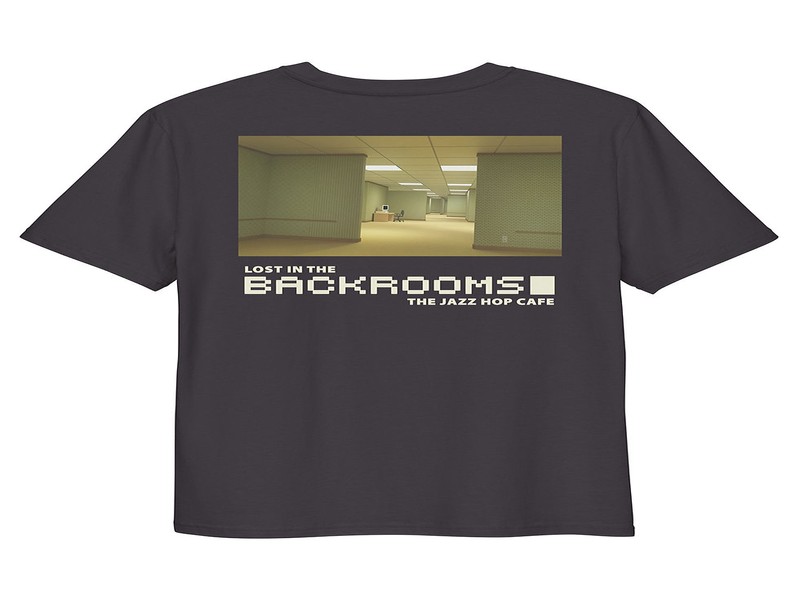
Merchandise related to the Backrooms ranges from apparel like t-shirts and hoodies emblazoned with cryptic phrases or imagery from various levels of the maze-like environment, to more niche collectibles such as enamel pins, posters, and even plush toys designed to resemble entities rumored to inhabit these spaces. These items serve multiple purposes-they act as badges of membership within an exclusive fanbase while also providing physical reminders of an otherwise intangible digital mythos.
One fascinating aspect of Backrooms merchandise is how it taps into nostalgia for early internet culture combined with modern aesthetics. Many designs incorporate pixel art or glitch effects reminiscent of 90s computer graphics alongside minimalist fonts evocative of outdated office signage. This blend creates a haunting yet familiar visual language that resonates deeply with those who grew up during technology’s formative years.
Moreover, creators often embed subtle references within their products that reward dedicated fans who are well-versed in Backrooms lore. For example, certain symbols might correspond to specific “levels” described in stories or videos about escalating dangers lurking deeper inside this surreal world. Such details encourage collectors to seek out rare editions or limited-run items that enhance their connection to the narrative universe.
Beyond individual enjoyment, purchasing official merchandise supports independent artists and developers contributing new content around the Backrooms theme-from short films and games to podcasts exploring its mythology further. This symbiotic relationship strengthens community ties while ensuring ongoing innovation within what began as a simple internet tale.
In conclusion, understanding Backrooms merchandise requires recognizing its role beyond mere consumer goods; these items are gateways into an expansive fictional reality shaped by collective imagination and shared fear of isolation within endless monotony. By wearing or displaying these artifacts, fans participate actively in keeping this mysterious digital folklore alive and evolving across platforms worldwide.